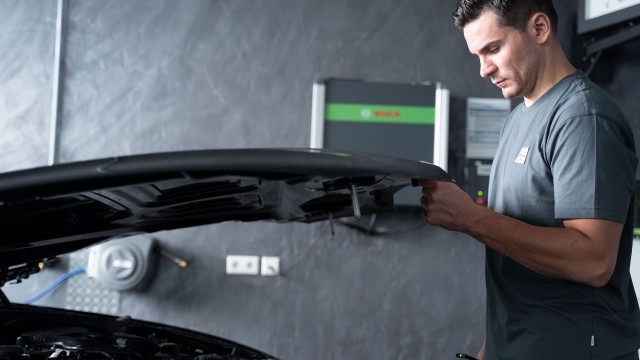
Brake Fluid Change

Brake Fluid Change

Brake fluid change is one of those services you don’t feel you need until you really need it. When driving your car on UK roads, old brake fluid can lead to a spongy brake pedal, which leads to longer stopping distances or even your brake pedal going to the floor. The replacement of your brake fluid by a professional keeps your braking sharp, and maintains the correct brake fluid boiling point which helps ensure your car stops exactly when it should

Brake Fluid Change at Bosch Car Service:

  • Check: assessment of brake fluid level and condition
  • Service: expert brake fluid change with the correct specification
  • Bleed: removal of air for a consistent brake pedal feel

Find Garage now

FAQs | Brake Fluid Change

Brake fluid is a safety-critical part of your cars braking system and often raises questions when to check, intervals and replacement. Below you’ll find clear answers to the most common questions about brake fluid change and when a professional inspection is recommended.

How do i check my brake fluid?

A quick look under the bonnet can give you a first indication of the condition of your brake fluid but it won’t tell the full story. While you can visually check brake fluid, its actual condition and safety can only be assessed properly in a workshop.

What you can check yourself:

  • Brake fluid reservoir: locate the brake fluid reservoir under the bonnet
  • Brake fluid level: ensure the brake fluid level is between the MIN and MAX markings
  • Brake fluid colour: clean brake fluid appears clear or light amber; dark fluid may indicate ageing

These checks only show surface signs. They don’t reveal whether the car brake fluid has absorbed moisture or lost performance.

Why a professional check matters:

  • Brake fluid absorbs moisture over time, reducing the brake fluid boiling point
  • Moisture levels can’t be measured accurately without specialist tools
  • Old brake fluid can lead to brakes that feel spongy, a soft brake pedal or reduced stopping distance
  • Simply refilling brake fluid doesn’t remove contamination and may delay a necessary brake fluid change and performance

For dependable braking of your vehicle on Irish roads, a professional brake fluid service is the safest option. A workshop can test the fluid, check for leaks or low brake fluid, and advise whether a brake fluid replacement or brake fluid flush is required.

If you’re unsure, a nearby Bosch Car Service workshop can inspect your braking system and give you clear, individual advice — based on your vehicle, mileage and driving conditions.

How long does a brake fluid change take?

A brake fluid change is generally a straightforward service, but the time required can vary by vehicle. For most vehicles, a brake fluid replacement is completed in around 30–90 minutes.

What can affect the duration:

  • Vehicle setup: brake system design and access points
  • Fluid specification: using the correct brake fluid for your car
  • Bleeding method: whether standard or more detailed brake fluid bleeding is needed
  • System condition: air in the system, low brake fluid or contamination
  • Extra checks: inspection for leaks or related brake components

As every vehicle is different, actual service times may vary.

A nearby Bosch Car Service workshop can assess your braking system, explain what’s required and advise individually how long the brake fluid service will take for your car.

How long does brake fluid last?

Brake fluid doesn’t last indefinitely. Its service life depends on age, mileage and manufacturer guidelines — not just how often the car is driven. For this reason, a brake fluid change is usually recommended at fixed intervals.

Typical guidelines include:

  • Time interval: many manufacturers advise a brake fluid replacement every 2 years
  • Mileage: depending on use, a car brake fluid change is often recommended after 20,000–30,000 miles
  • Driving conditions: short journeys, frequent braking or high temperatures can reduce how long brake fluid lasts
  • Moisture absorption: as brake fluid absorbs water over time, the brake fluid boiling point drops and performance declines

Even without clear warning signs, ageing brake fluid can negatively affect braking efficiency and safety.

That’s why an individual check is important. A nearby Bosch Car Service workshop can inspect your brake fluid, consider mileage and vehicle requirements, and advise whether a brake fluid change is recommended — tailored to your car and driving habits.

How do I know that my brake fluid needs to be changes?

Brake fluid wears down slowly, which means problems often develop without obvious warning. Certain changes in braking behaviour can indicate that a brake fluid change or at least a professional check is needed.

Signs that your brake fluid may need attention include:

  • Spongy or soft brake pedal: moisture in the brake fluid can reduce hydraulic pressure
  • Brake pedal goes to the floor: old or contaminated car brake fluid may no longer transmit force correctly
  • Brakes feel spongy: braking response feels delayed or inconsistent
  • Low brake fluid level: a dropping brake fluid level can indicate ageing fluid or a brake fluid leak
  • Dark brake fluid colour: fluid that has turned brown or cloudy suggests contamination
  • Weaker braking when hot: moisture lowers the brake fluid boiling point, increasing the risk of brake fade

These symptoms don’t automatically mean an immediate brake fluid replacement, but they are clear reasons to have the system checked.

A professional brake fluid service can accurately assess fluid condition and braking performance. Your local Bosch Car Service will inspect the braking system and advise individually whether a brake fluid change is recommended — based on your vehicle, mileage and driving conditions.

Why do I need to change the brake fluid?

Brake fluid plays a key role in how safely and effectively your car stops — but it degrades over time. As car brake fluid ages, it absorbs moisture from the air, which gradually reduces braking performance and reliability.

Why a regular brake fluid change matters:

  • Moisture build-up: absorbed water lowers the brake fluid boiling point, increasing the risk of reduced braking under heavy use
  • Inconsistent braking feel: old brake fluid can lead to a spongy brake pedal or brakes that respond less precisely
  • Internal wear: moisture in the system can cause corrosion inside brake components
  • Hydraulic performance: a fresh brake fluid replacement ensures stable pressure throughout the braking system
  • Vehicle guidelines: many manufacturers define a brake fluid change interval to maintain safety and system integrity

Simply refilling brake fluid or topping it up doesn’t remove moisture or restore performance — only a complete brake fluid service does.

For peace of mind, a professional inspection is the best approach. A nearby Bosch Car Service workshop can check your brake fluid, assess its condition and advise individually whether a brake fluid change is recommended for your vehicle and driving conditions.

Can I change brake fluid myself?

While it may seem straightforward, a brake fluid change isn’t a typical DIY task. Brake fluid is part of a safety-critical system, and replacing it correctly requires precision, experience and specialist equipment.

Why a professional brake fluid service is the safer choice:

  • Accurate bleeding: proper brake fluid bleeding is essential to avoid a spongy brake pedal
  • Condition testing: moisture levels and the brake fluid boiling point can’t be checked reliably without professional tools
  • Correct fluid type: using the right brake fluid for your vehicle prevents compatibility issues
  • System inspection: leaks, low brake fluid or worn components are identified during a full check
  • Safe disposal: brake fluid is hazardous and must be handled and disposed of correctly

A professional brake fluid replacement removes guesswork and helps ensure consistent braking performance.

At a nearby Bosch Car Service workshop, trained technicians carry out brake fluid changes safely and advise you individually — based on manufacturer recommendations, vehicle condition and real-world driving use.