Clutch Repair & Clutch Replacement

Clutch Repair & Clutch Replacement

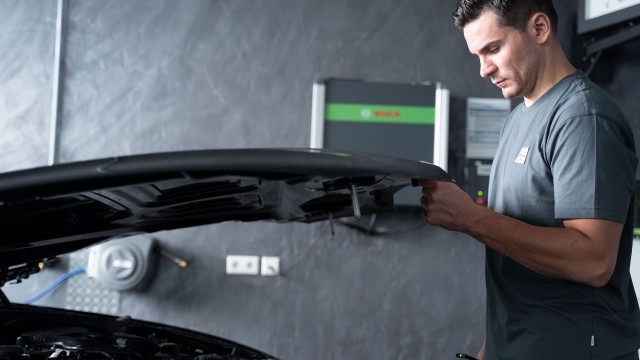
Unpredictable traffic, narrow roads and frequent hill starts put real strain on your clutch. When everyday driving in Ireland starts to feel less smooth, issues like slipping or juddering can follow fast. Professional clutch repair restores control — timely clutch replacement keeps you moving with confidence.

Clutch Repair at Bosch Car Service:

  • Diagnosis: wear and slip check
  • Solution: targeted clutch repair
  • Reliability: smooth drive restored

Find Garage now

FAQs | Clutch Repair & Clutch Replacement

Questions about clutch replacement, clutch repair costs or how long a clutch usually lasts often come up before a fault becomes serious — the FAQs below give clear answers and help you decide when to have your clutch checked locally.

What is the lifespan of a clutch?

There’s no fixed mileage for how long a clutch will last. Its service life varies depending on everyday use, driving environment and vehicle setup. In general, manufacturers often refer to a range of around 60,000 to 100,000 miles, but real driving conditions can shift this significantly.

Factors that can affect how long a clutch usually lasts include:

  • Traffic conditions: frequent stop-start driving and hill starts increase clutch wear
  • Driving environment: urban driving tends to wear a clutch faster than longer motorway journeys
  • Vehicle use: towing or carrying heavy loads adds extra strain to the clutch system
  • Driving technique: smooth gear changes can help extend clutch life

Because wear develops differently from car to car, there’s no guaranteed lifespan.

If you’re unsure about your clutch condition, a professional assessment is the safest option. A nearby Bosch Car Service workshop can check your clutch and advise whether clutch repair is suitable or if clutch replacement is the more reliable solution for your vehicle and driving habits.

How do I know I need a new clutch?

You don’t need to understand how a clutch works to notice when something isn’t right. On Irish roads, frequent hill starts, narrow streets and stop-start traffic can highlight clutch problems sooner than expected. Changes in how your car drives are often the first clue.

Signs that a clutch replacement may be needed include:

  • Loss of drive: the engine revs increase but the car struggles to pick up speed
  • Shaking when moving off: noticeable vibration or judder, especially on inclines
  • Gear engagement issues: gears feel stiff, resist selection or don’t engage smoothly
  • Burnt smell: often noticeable after driving in traffic or repeated hill starts
  • Unusual sounds: rattling or grinding noises when using the clutch pedal
  • Changed pedal feel: the clutch bites very high or very low compared to normal

These symptoms don’t always mean an immediate clutch replacement, but they are clear signs that your clutch should be checked.

A professional inspection removes the guesswork. A nearby Bosch Car Service workshop can assess whether clutch repair is still an option or if a clutch replacement is the more reliable solution — based on your car, driving habits and everyday road conditions.

How long does a clutch replacement take?

A clutch replacement isn’t a quick fix, but it’s usually completed within one working day. In many cases, the job takes around 4 to 8 hours, depending on the vehicle and the work involved.

What can influence how long a clutch replacement takes:

  • Vehicle layout: how easily the gearbox can be accessed
  • Drivetrain setup: front-wheel drive, rear-wheel drive or all-wheel drive
  • Additional work: whether parts like the flywheel or clutch hydraulics also need replacing
  • Vehicle condition: corrosion, wear or previous repairs can add time
  • Repair scope: deciding between clutch repair and full replacement

Because every car is different, timings can’t be guaranteed upfront.

The most reliable option is to speak directly with a local Bosch Car Service garage. They can inspect your vehicle, explain the work required and give you a realistic timeframe for your clutch replacement based on your car and driving conditions.

What destroys a clutch?

A clutch rarely fails suddenly. In most cases, wear builds up over time due to driving habits and everyday conditions. In Ireland, narrow roads, frequent hill starts and stop-start traffic can place extra strain on the clutch without drivers noticing.

Factors that can accelerate clutch wear include:

  • Stop-start driving: repeated clutch use in traffic and urban areas
  • Holding the clutch: keeping pressure on the pedal instead of fully releasing it
  • Hill starts: balancing the car on the clutch rather than using the handbrake
  • Hard acceleration: rapid pull-aways and quick gear changes
  • Vehicle load: regular towing or carrying heavy loads
  • Driving habits: resting a foot on the clutch pedal between gear changes

How to help reduce clutch wear:

  • Fully release the clutch once the gear is engaged
  • Use the handbrake when starting on hills
  • Change gears smoothly and avoid over-revving
  • Anticipate traffic flow to limit unnecessary stop-start driving

Good driving habits can make a noticeable difference to how long a clutch usually lasts — especially in everyday Irish driving conditions.

If you’re unsure how your clutch is holding up, a professional check is the safest step. A nearby Bosch Car Service workshop can assess clutch condition and advise whether clutch repair is still possible or if clutch replacement should be planned.

How much does it cost to replace the clutch?

The clutch replacement cost isn’t a fixed figure. The price can vary widely because every car, drivetrain and repair situation is different. That’s why estimates for how much does it cost to replace the clutch are always assessed individually.

Factors that can influence the clutch cost to replace include:

  • Vehicle layout: how the engine and gearbox are positioned and accessed
  • Drivetrain type: front-wheel, rear-wheel or all-wheel drive
  • Scope of work: whether it’s a straight clutch replacement or additional parts are involved
  • Parts specification: vehicle-specific requirements and component quality
  • Labour time: overall condition of the vehicle and technical complexity

Because these factors vary from car to car, a professional inspection is the most reliable way to understand the actual clutch replacement price for your vehicle.

A nearby Bosch Car Service garage can inspect your car, explain what’s needed and provide a clear, individual quote for your clutch replacement — tailored to your vehicle and how it’s used.

How long will a clutch last once it starts slipping?

Once a clutch begins to slip, there’s no set timeframe for how long it will continue to work. In some cases, the issue develops slowly, while in others it can worsen over a short period — it largely depends on the vehicle and how it’s driven.

Factors that can affect how long a slipping clutch lasts include:

  • Driving environment: stop-start traffic, narrow roads and frequent hill starts
  • Driving behaviour: gentle use may slow wear, while hard acceleration can speed it up
  • Stage of wear: early clutch slip behaves very differently from advanced damage
  • Vehicle load: towing or carrying heavy loads puts extra strain on the clutch

Because slipping usually indicates ongoing wear, it’s not something to ignore or guess.

If you notice clutch slip or loss of drive, the safest option is to have it checked promptly. A nearby Bosch Car Service garage can assess whether clutch repair is still possible or if planning a clutch replacement is the more reliable solution for your car.