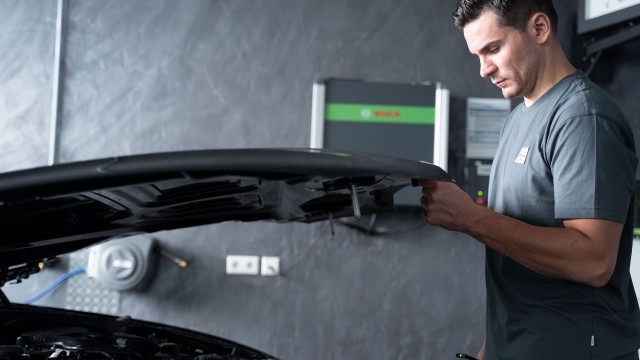
Transmission Fluid Replacement

Transmission Fluid Replacement

Old or low transmission fluid often goes unnoticed — until gear changes feel rough or delayed. A professional transmission fluid replacement or automatic transmission oil change helps protect your gearbox, improve shifting and prevent costly repairs.

Transmission Fluid Change at Bosch Car Service:

  • Transmission Fluid Check: Level & condition checked
  • Transmission Fluid Replacement: Old fluid replaced with the correct type
  • Transmission Flush: System cleaned if required

Find Garage now

FAQs | Transmission Fluid Replacement

Transmission fluid plays a key role in how smoothly your car drives, yet it’s often overlooked. Below you’ll find clear answers to common questions about transmission fluid change, service intervals and warning signs — explained simply, so you know when action might be needed and when a professional check makes sense.

What are symptoms of transmission fluid issues?

Bad or old transmission fluid can affect how your car drives long before a warning light appears. Even if you don’t know much about cars, there are some clear signs you might notice during everyday driving.

Common symptoms of transmission fluid issues include:

  • Rough or delayed gear changes: gears shift later than usual or feel less smooth and clunky, often linked to dirty transmission fluid
  • Slipping gears: the engine revs increase but the car doesn’t accelerate properly, a typical sign of low transmission fluid or worn fluid
  • Unusual noises: whining, humming or grinding sounds from the gearbox can point to poor lubrication
  • Overheating smells: burnt or sharp smells may indicate old fluid that can no longer protect the transmission
  • Jerking or hesitation: the car feels jumpy when accelerating or slowing down, especially at low speeds
  • Fluid colour changes: healthy fluid is usually red or light brown; dark or cloudy fluid can mean it needs a transmission fluid change
  • Leaks under the car: spots on the ground may suggest transmission fluid leaking, which quickly leads to problems

These symptoms don’t always mean serious damage, but they do suggest the transmission fluid needs checking.

Because modern gearboxes are complex, the safest step is a professional inspection. A Bosch Car Service workshop near you can check the transmission fluid level, assess its condition and advise whether a transmission fluid replacement, automatic transmission fluid change or further service is needed — based on your vehicle and how you drive.

What are transmission fluid change intervals?

There isn’t one universal interval that fits every car. Transmission fluid change intervals depend on the vehicle manufacturer, gearbox type and how the car is used.

Typical manufacturer guidelines you’ll see in Ireland:

  • Mileage-based: many recommend a transmission fluid change between 40,000 and 60,000 miles
  • Time-based: an automatic transmission fluid change is often advised every 4–6 years, even with low mileage
  • Gearbox type: DSG and automatic gearboxes usually have specific service intervals; manuals often differ
  • Driving conditions: frequent stop-start traffic, towing, hills or short journeys can shorten the transmission fluid change interval

Some vehicles are marketed as “sealed for life”, but manufacturers still expect checks—and in real-world driving, fluid degrades due to heat and wear.

When earlier servicing may be recommended:

  • Signs transmission fluid needs changing (rough shifts, hesitation, slipping)
  • Low transmission fluid symptoms or visible leaks
  • Dark or burnt transmission fluid colour

The safest way to know what applies to your car is an individual check. A nearby Bosch Car Service can review manufacturer guidance, inspect fluid condition and advise whether a transmission fluid service, automatic transmission fluid change or further action is appropriate—clearly explained before any work is done.

Is a transmission flush necessary?

A transmission flush isn’t automatically necessary for every vehicle. Whether it makes sense depends on the gearbox type, mileage, fluid condition and manufacturer guidance.

When a transmission flush may be useful:

  • Dirty or degraded fluid: dark colour or burnt smell indicating contamination
  • Irregular shifting: hesitation, jerking or slipping linked to old fluid
  • Missed service history: when previous transmission fluid change intervals are unclear
  • Specific gearboxes: some automatic or DSG systems may benefit from a flush if recommended by the manufacturer

When a flush may not be advised:

  • High mileage without prior servicing: a full flush can sometimes loosen debris
  • Manufacturer restrictions: some gearboxes specify a simple transmission fluid replacement instead
  • Mechanical faults present: flushing won’t fix leaks or internal wear

Because the risks and benefits vary, it’s important not to decide blindly.

The best approach is an individual assessment. A nearby Bosch Car Service can check fluid condition, review manufacturer guidelines and advise whether a transmission flush, a standard automatic transmission fluid change, or no action at all is the right option for your car—clearly explained before any work starts.

Can I change my own transmission fluid?

In practice, but it’s not recommended to change your own transmission fluid, especially on modern vehicles. While it may sound similar to an engine oil change, a transmission fluid change is far more specific and vehicle-dependent.

Why DIY changes are usually not a good idea:

  • No simple access: many cars don’t have a dipstick, and the fluid level must be set at a precise temperature
  • Exact procedure required: filling, draining and checking often follow a strict sequence defined by the manufacturer
  • Correct fluid matters: using the wrong fluid type can affect shifting and gearbox performance
  • Special tools needed: level checks, reset or adaptations will require diagnostic equipment
  • Limited visibility: leaks, contamination or early wear can be missed without a full inspection

Because of this, a DIY approach often solves only part of the problem—or creates new ones.

The safer option is a professional check. A nearby Bosch Car Service can carry out the correct automatic transmission fluid service, ensure the right procedure for your specific gearbox, and advise clearly whether a standard fluid change, a flush or no action at all is needed.

How long does it take to change transmission fluid?

The time needed for a transmission fluid change varies by vehicle and service type. As a rough guide:

  • Transmission fluid check: ~15–30 minutes
  • Standard fluid change / replacement: ~45–90 minutes
  • Automatic transmission flush: ~90–180 minutes
  • DSG gearbox oil change: ~60–120 minutes

What can influence the time:

  • Gearbox type: automatic, DSG or manual
  • Vehicle design: access to drain/fill points and whether there’s a dipstick
  • Service method: simple drain & refill vs. full flush
  • Fluid specification: exact procedure and temperature requirements
  • Vehicle condition: leaks, contamination or additional checks needed

Because every car is different, timings can’t be fixed.

The best way to know the exact duration is to ask your local Bosch Car Service. They’ll check your vehicle, explain the required service and confirm how long the automatic transmission fluid service will take—tailored to your car.

What does transmission fluid do?

Transmission fluid is essential for how your gearbox works. It allows the transmission to change gears smoothly and protects its internal parts while you drive.

In simple terms, transmission fluid:

  • Lubricates: reduces friction and wear between moving parts
  • Transfers power: helps gears engage and shift correctly
  • Cools the gearbox: prevents overheating during driving
  • Cleans: carries away dirt and wear particles
  • Protects components: helps extend the life of the transmission

When the fluid is old or low, gear changes can become clunky, difficult and the gearbox may overheat or wear faster. That’s why regular checks and timely transmission fluid changes are important.