
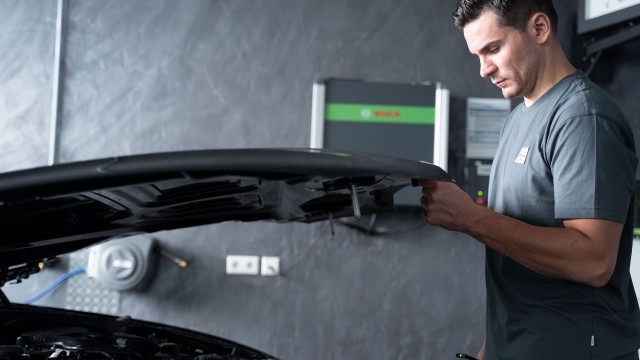
You can do a basic visual check of the brake fluid yourself, but a proper assessment usually requires professional inspection.
What you can check yourself — without tools:
- Brake fluid reservoir: open the bonnet and locate the brake fluid reservoir
- Brake fluid level: check whether the brake fluid level is between the MIN and MAX marks
- Brake fluid colour: fresh brake fluid is usually clear or light amber; dark or cloudy fluid can indicate ageing or contamination
However, this only shows the fluid level and appearance — not whether the brake fluid is still safe to use.
Why a professional workshop check is recommended:
- Brake fluid absorbs moisture over time, which lowers the brake fluid boiling point
- Moisture content cannot be checked accurately without using specialist equipment
- Old or contaminated car brake fluid can lead to a spongy brake pedal, a soft brake pedal or reduced braking performance and distance.
- Simply refilling brake fluid does not fix the underlying issue and may mask the need for a brake fluid change
For safety reasons, a professional brake fluid service is the best option. A workshop can test the condition of the brake fluid, check for leaks or low levels, and advise whether a brake fluid replacement or brake fluid flush is necessary.
If you’re unsure, it’s safest to have your brake fluid checked at a Bosch Car Service workshop near you, where you’ll receive individual advice based on your vehicle and driving conditions.